Maison
Armani
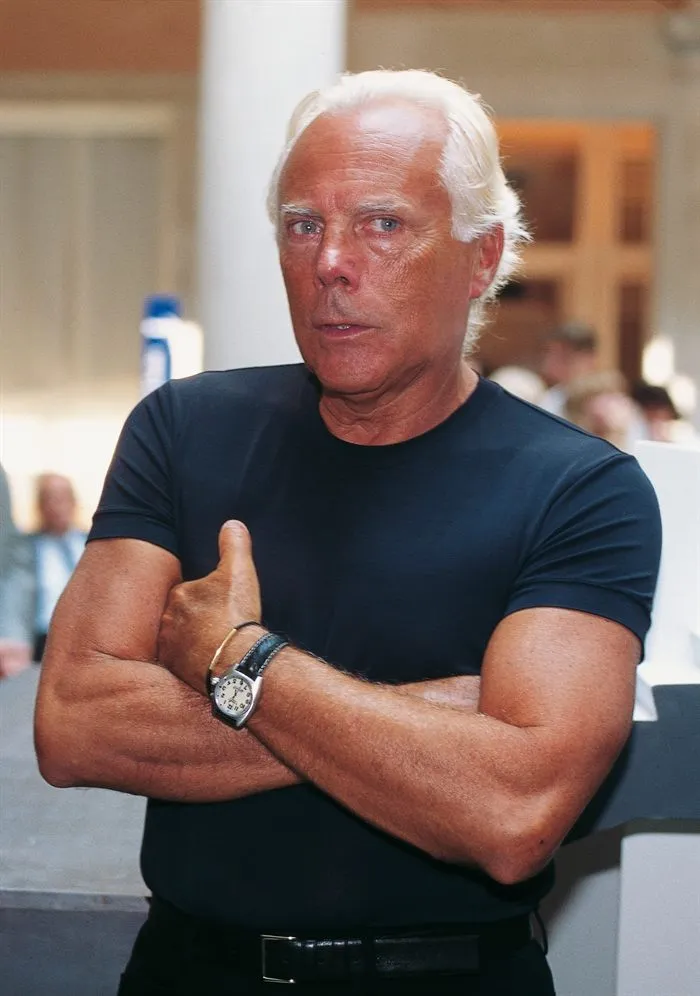
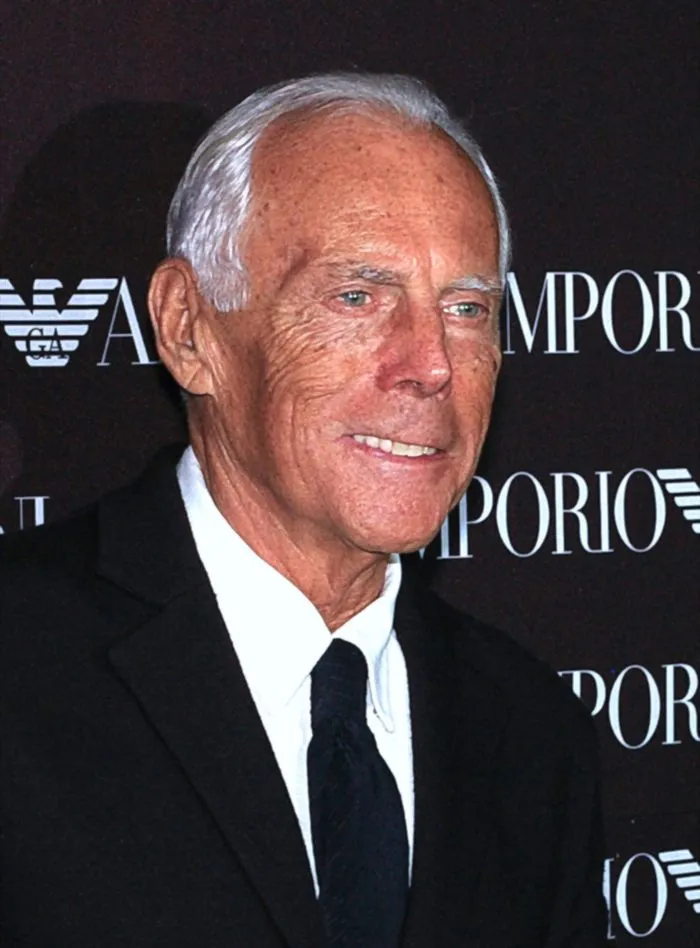
Founded in 1975 in Milan by Giorgio Armani (1934–2025) and his partner Sergio Galeotti.
The Armani Group was privately owned by Giorgio Armani, who served as chairman and chief creative director of the house from its founding in 1975 until his death on 4 September 2025.
Post-succession creative leadership and ownership structure to be updated.


Design DNA
Armani's design language is defined by minimalism, precise tailoring, muted color palettes, fluid silhouettes, and the absence of excessive ornamentation.
Cultural impact & collaborations
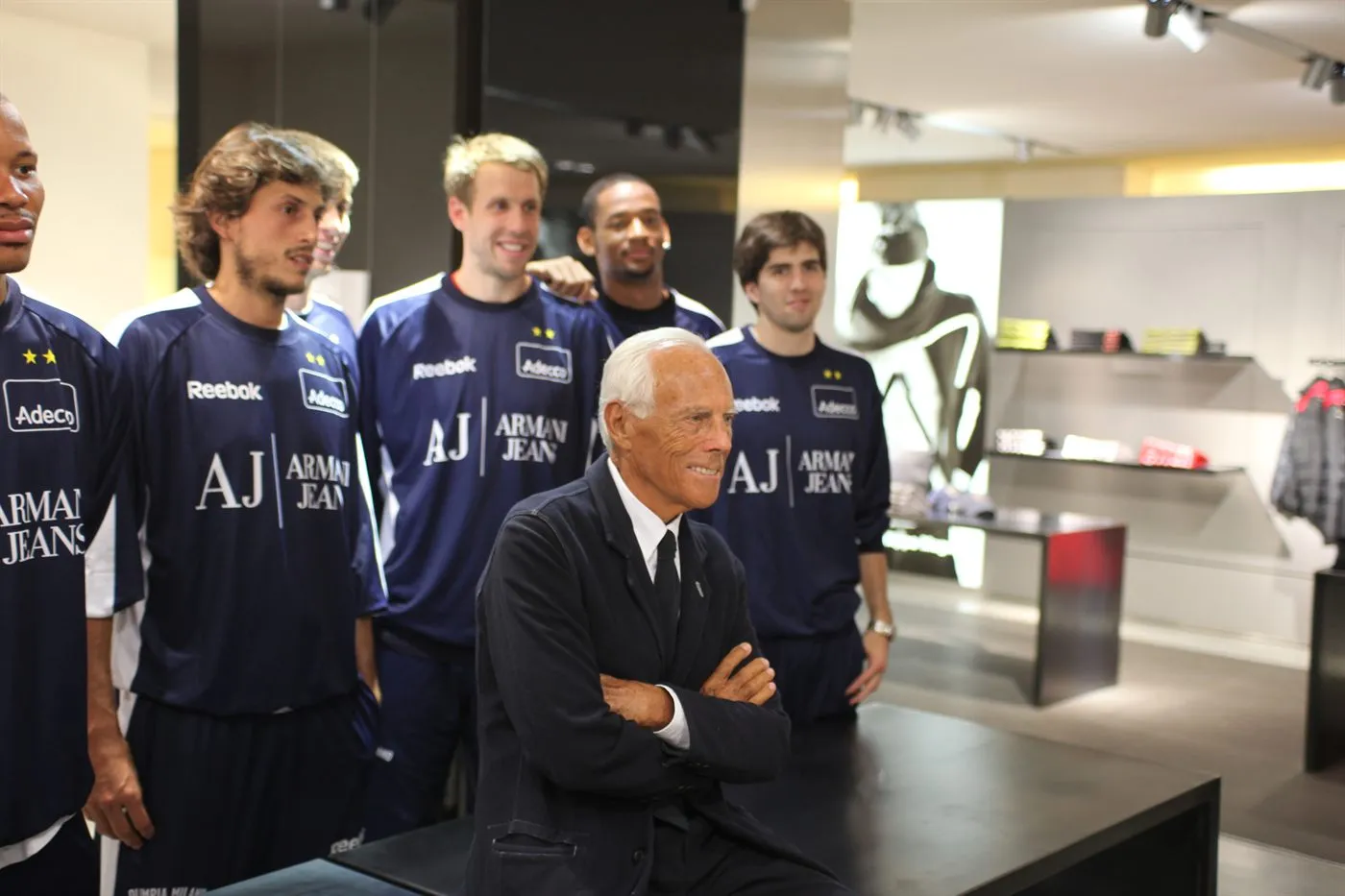
The brand has influenced modern dress codes toward relaxed elegance and has engaged in collaborations across cinema, sports, and architecture, reinforcing its global lifestyle identity.
Beyond the timeline
A reason to exist beyond a timeline — the pieces that made Armani Armani.
- The unstructured jacket 1975–
The foundational Armani piece: the men's blazer stripped of canvassing and padding, yielding a fluid, shoulder-relaxed silhouette that redrew the line of modern tailoring.
- <em>American Gigolo</em> wardrobe 1980
Richard Gere's on-screen wardrobe for Paul Schrader's film, including the closet-scene layout of shirts and jackets — the production that launched the house internationally and made Armani shorthand for cinematic style.
- The women's power suit 1980s
A softened take on the men's jacket, cut for women and adopted as the defining executive uniform of the decade.
- <em>The Untouchables</em> costumes 1987
Brian De Palma's prohibition-era film, dressed by Armani and credited with reviving the vocabulary of classical menswear on screen and off.
- Red-carpet eveningwear 1990–
Minimalist silk-jersey gowns worn by Michelle Pfeiffer, Jodie Foster, Cate Blanchett and others — effectively the template for modern celebrity dressing.
- Acqua di Giò 1996
The Mediterranean-accented men's fragrance that became one of the best-selling colognes ever produced.
- Armani Privé 2005–
The house's Paris-based haute couture line, launched in January 2005 and worn almost immediately onto the Oscars red carpet.
- The "greige" palette
The greys, beiges and taupes that became shorthand for Armani restraint — "quiet luxury" decades before the term existed.
Main product lines
- Giorgio Armani — high-end ready-to-wear
- Emporio Armani — contemporary fashion
- Armani Exchange — accessible segment
- Accessories, fragrances, beauty, and home collections
Market positioning
Positioned across the premium to ultra-luxury segment, Armani enjoys strong global brand recognition across menswear, womenswear, and lifestyle categories.
Business scale
The Armani Group generates annual revenues on the order of several billion euros, reflecting a large-scale, vertically integrated fashion business.