Maison
Bottega Veneta
Founded in 1966 in Vicenza, in the Veneto region of north-eastern Italy, by Michele Taddei and Renzo Zengiaro. The atelier began as a leather-goods workshop drawing on the region's long tradition of artisanal tanning and weaving — its name translates simply as "Venetian workshop."
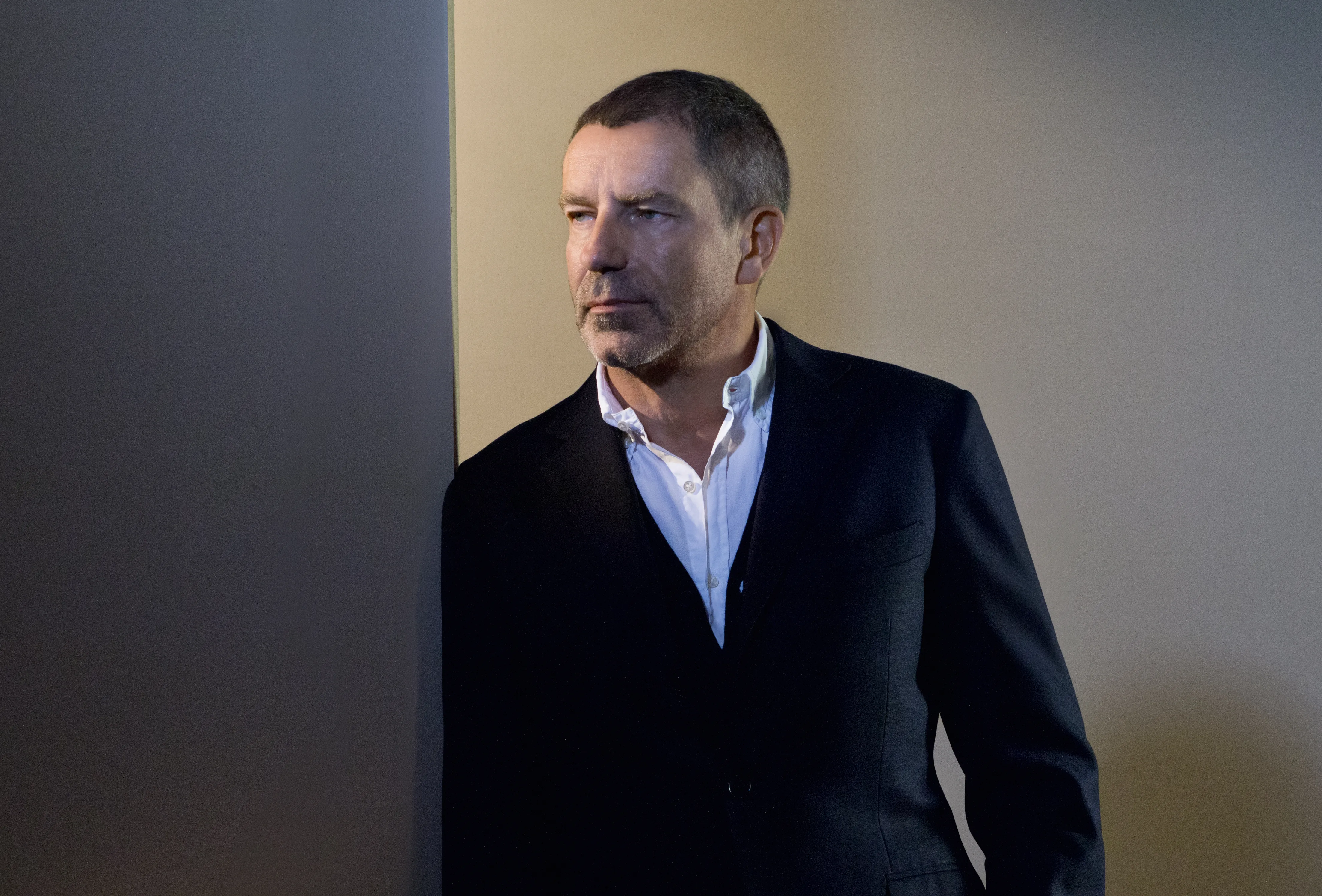
Creative director: Louise Trotter, announced in December 2024 as the successor to Matthieu Blazy. The house has been part of Kering since 2001.
Volatile fields — verify the creative-director line and Kering-group structure against fresh sources before publishing.


Design DNA
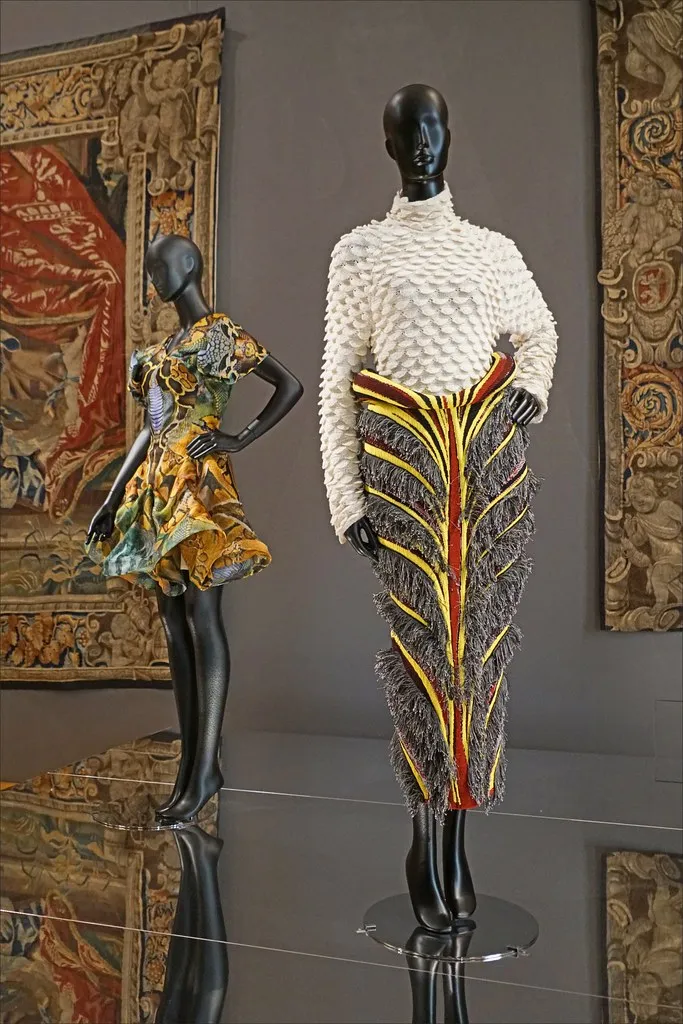
Quiet luxury before the term existed: a deliberate refusal of visible logos, an emphasis on hand-craftsmanship, and a leather vocabulary anchored by the intrecciato weave. The palette skews to chocolate, black, parakeet green, and the fondant creams of the Veneto — colour used architecturally, not decoratively. Recognition is meant to come from the hand and the eye, not from a monogram.
Cultural impact & collaborations
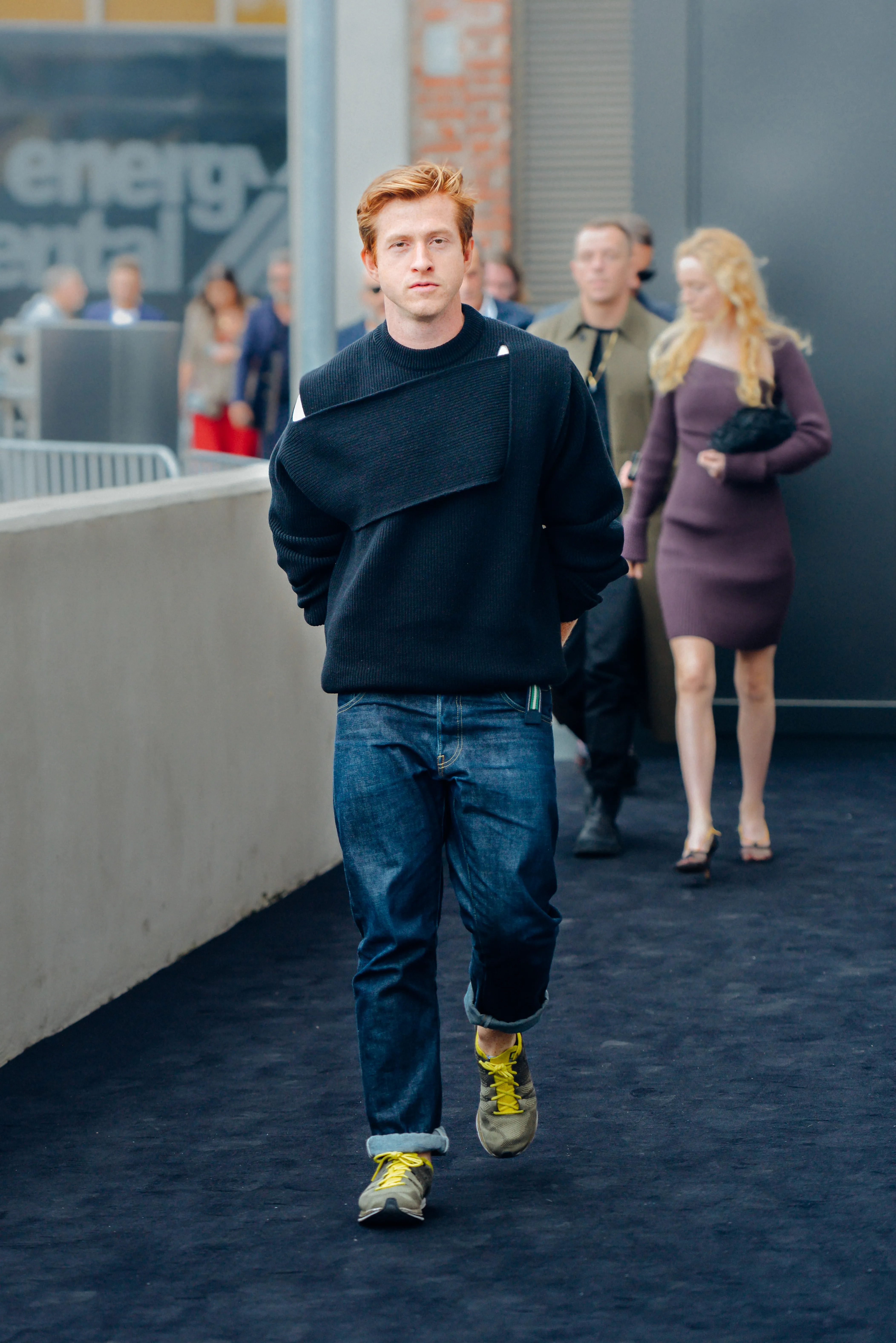
Bottega Veneta is the reference point for the contemporary "quiet luxury" argument — that recognition can be earned by craft rather than by logo. The intrecciato weave is among the most-cited examples of protectable trade dress in fashion, and the house's tagline of the 1980s — "When your own initials are enough" — anticipated by four decades the anti-monogram mood that swept luxury in the 2020s. Under Daniel Lee and Matthieu Blazy in succession, the house also became one of the most-discussed runway propositions of its generation, with Blazy's leather-as-denim experiments cited well outside the trade press.
Beyond the timeline
A reason to exist beyond a timeline — the pieces that made Bottega Veneta Bottega Veneta.
- The <em>intrecciato</em> weave 1970s–
Narrow strips of nappa leather hand-woven on a wooden frame to produce a supple, structured surface that needs no hardware to identify it. The technique remains the house's defining craft — taught and practised at the Scuola della Pelletteria at the Montebello atelier, and the source from which most other signature pieces descend.
- The Cabat 2001
A reversible, unlined open tote introduced under Tomas Maier and constructed entirely of intrecciato — no seams, no hardware, the bag's structure carried by the weave alone. Long the house's quiet flagship.
- The Veneta hobo
A soft, slouchy shoulder bag with a single curved strap and a body of finely woven nappa — for two decades the most recognisable Bottega silhouette and a fixture of the celebrity-photographer archive of the 2000s.
- The Knot clutch
A minaudière with a sculptural double-knot closure in precious metal, made in intrecciato nappa, satin, and exotic skins — the house's evening signature.
- The Pouch 2019
Daniel Lee's debut hit: an oversized, unstructured clutch gathered to look as though it had been crumpled in the hand. Widely copied across the contemporary market within a season.
- The Cassette 2020
A small, padded shoulder bag built from chunky woven leather — the intrecciato maxi-scale — that became the most photographed Bottega bag of Lee's tenure.
- The Lido sandal 2020
A flat leather sandal whose upper is a single fat woven band across the foot — quoted across the high-street market almost immediately on release.
- Trompe-l'œil leather tailoring 2022–
Matthieu Blazy's calling card: a pair of "jeans" and a flannel shirt, hand-printed and tooled from leather to pass at a glance for cotton — a craft argument made on the runway, not in the press notes.
Main product lines
- Handbags & small leather goods — the commercial centre of the house
- Ready-to-wear — women's and men's
- Footwear — including the woven mules and Lido sandal
- Fine jewellery
- Eyewear, fragrance, and home accessories
Market positioning
Ultra-luxury, with the highest price points concentrated in leather goods rather than ready-to-wear. The house sits in the upper tier of the Kering portfolio alongside Gucci, Saint Laurent, and Balenciaga, and competes directly with Hermès on craft-led, no-logo positioning.
Business scale
Reported by Kering as a roughly €1.6–1.8 billion annual revenue business in recent years, with growth led by leather goods. Figures move with each Kering interim; verify against the most recent group results before citing.