Maison
Burberry
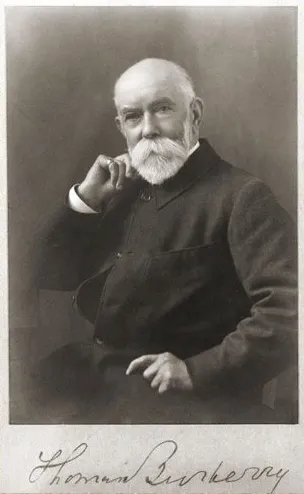
Founded in 1856 in Basingstoke, Hampshire by Thomas Burberry (1835–1926), a 21-year-old draper's apprentice. The shop opened as an outfitter specialising in outdoor and sporting dress, and would later relocate its headquarters to the Haymarket in London as the business expanded.
Chief creative officer: Daniel Lee, since October 2022. Chief executive: Joshua Schulman, since July 2024 (succeeding Jonathan Akeroyd). Burberry Group plc is publicly listed on the London Stock Exchange (ticker BRBY) and is a constituent of the FTSE indices. Verify current appointments — figures correct as of late 2025.
Volatile fields — verify creative-director, CEO, and listing details against fresh sources before publishing; Burberry's leadership has changed several times in recent seasons.


Design DNA
British heritage outerwear, gabardine mastery, and a vocabulary rooted in weather, country pursuits, and military tailoring. The trench coat is the keystone; the camel-black-red-white check is the inherited trade dress; the equestrian knight is the figurative emblem. Fabric leads silhouette — twill weight, water resistance, and tactile finish remain the house's first design decisions.
Cultural impact & collaborations
Burberry's influence on twentieth-century dress is concentrated in a single garment — the trench coat — which the house effectively invented and which has since been adopted, copied, and reinterpreted across the entire industry. The brand also offers a textbook case study in luxury management: from the late-1990s "chav check" over-distribution crisis through Christopher Bailey's heritage-led rebuild, the digital-first shows of the 2010s, Riccardo Tisci's monogram-era reset, and Daniel Lee's return to British outerwear codes — each turn debated in business schools and in the trade press as much as on the runway.
Beyond the timeline
A reason to exist beyond a timeline — the pieces that made Burberry Burberry.
- Gabardine 1879
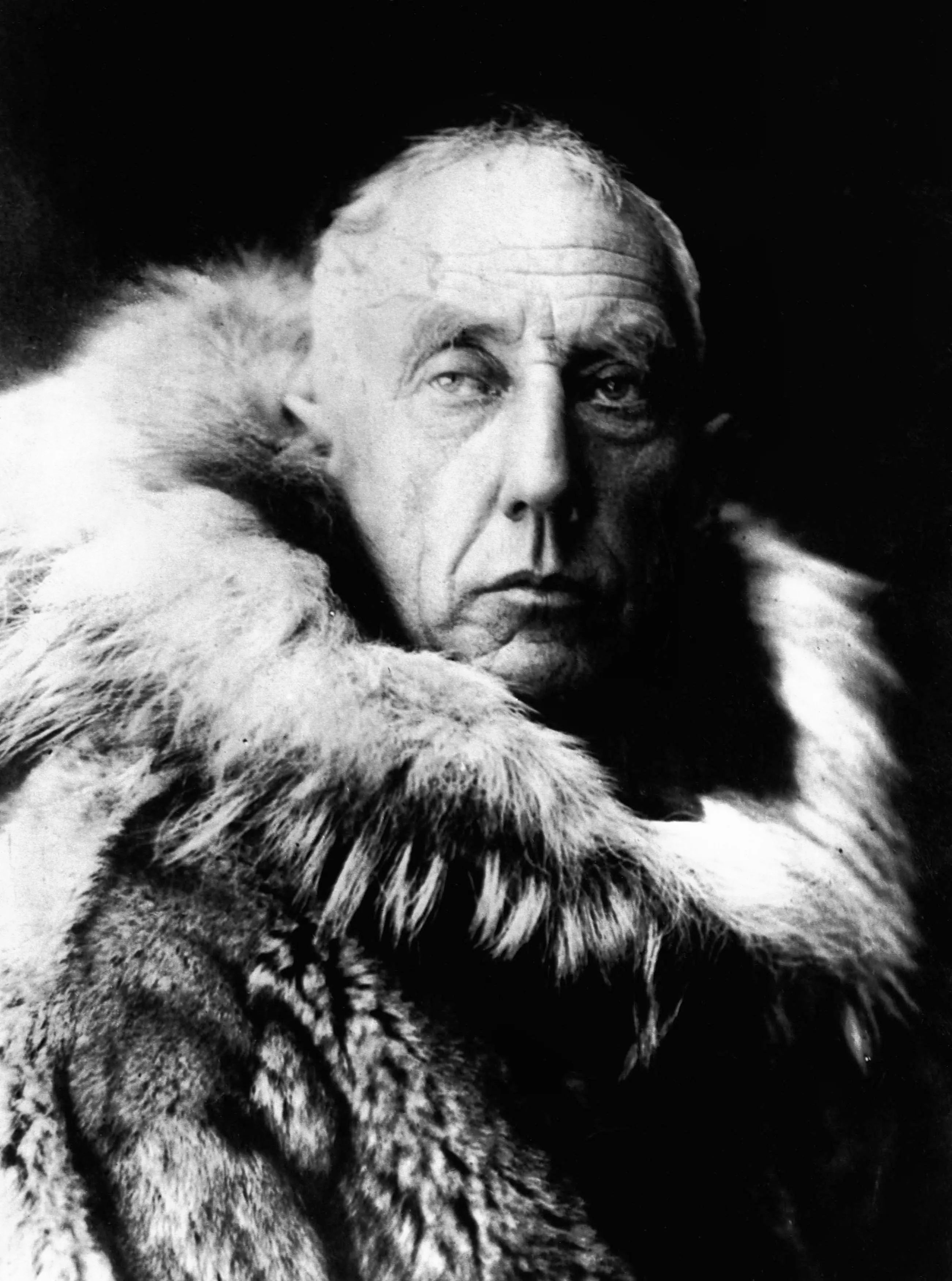
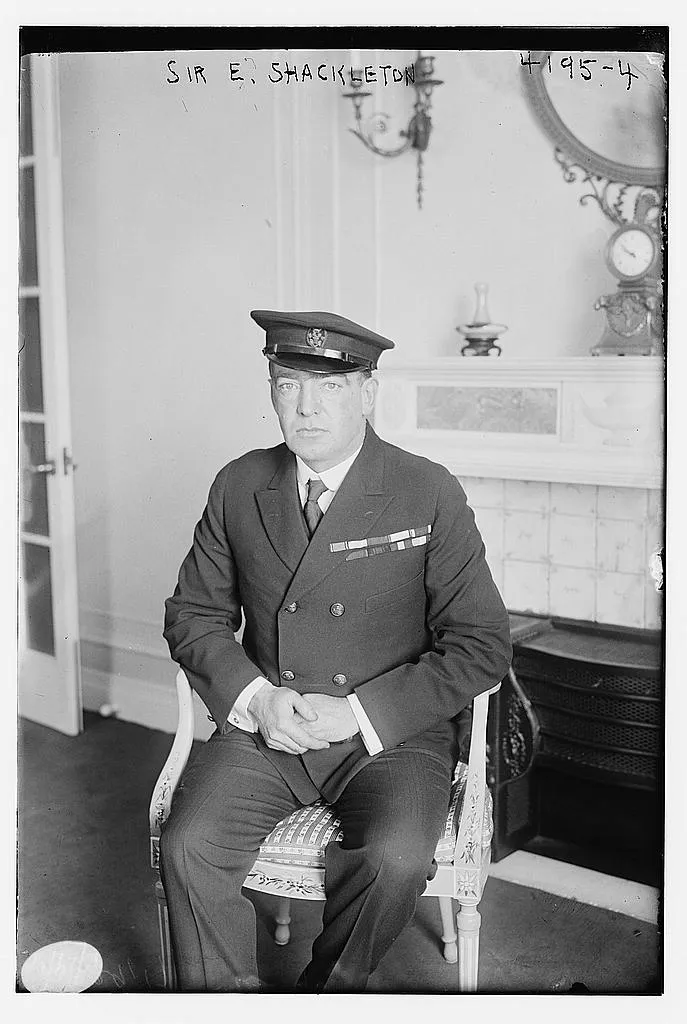
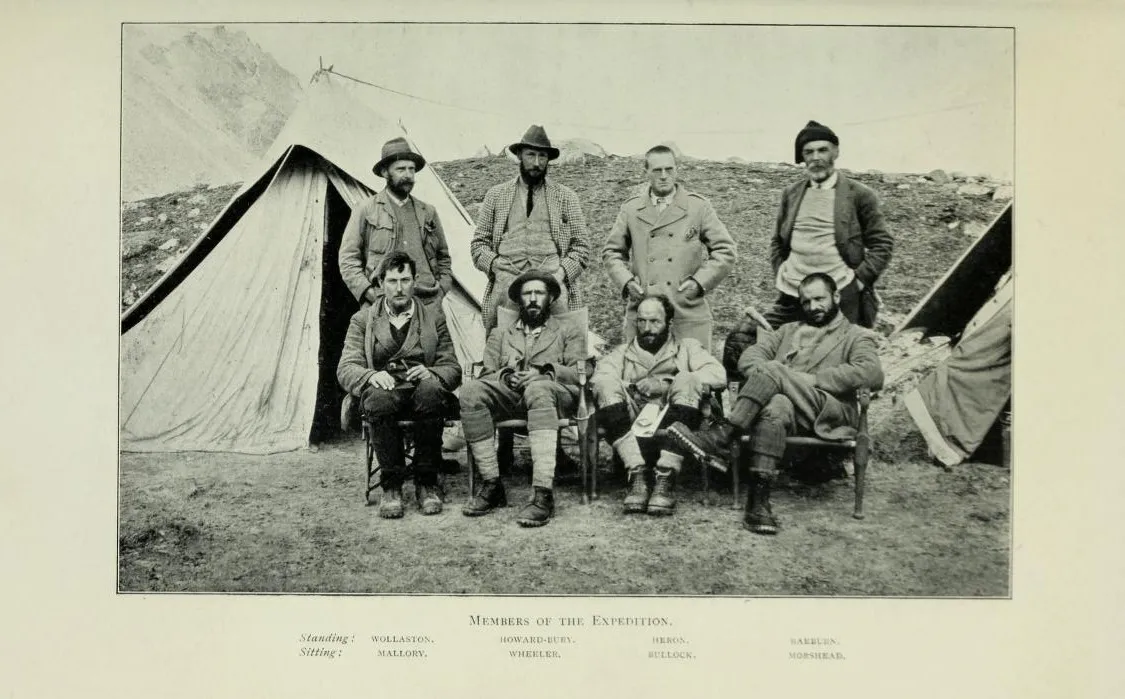
Thomas Burberry's tightly woven, lanolin-treated worsted — breathable, hard-wearing, and water-repellent without the stifling rubber lining of earlier waterproofs. The fabric underwrote everything that followed: it was specified by Roald Amundsen for the 1911 South Pole expedition, by Ernest Shackleton for the Endurance, and by George Mallory on Everest in 1924. Gabardine is the house's true patent.
- The Tielocken 1912
The double-breasted, belted gabardine officer's coat — no buttons at the front, closed by a single strap and buckle — patented as a forerunner to the trench. The template for nearly every weatherproof coat the house has cut since.
- The trench coat 1914–
Engineered for British officers in the First World War and refined through the inter-war years into a civilian piece of near-universal currency. Its details are functional artefacts: D-rings (originally for map cases or grenades), storm flap and gun flap (to shed rain off the shoulder), epaulettes, throat latch, raglan sleeves, and a back yoke that vents at the shoulder. Worn on screen by Humphrey Bogart in Casablanca, Audrey Hepburn in Breakfast at Tiffany's, and Peter Sellers as Inspector Clouseau, it is the single garment most associated with the house.
- The Nova Check c.1924–
The camel-ground check banded in black, white, and red, originally introduced as a discreet trench-coat lining and only later released as outer trade dress. It is among the most enforced check trade dresses in fashion; it is referenced here in prose only, and no recognisable check pattern is reproduced on this page.
- The Equestrian Knight 1901
The armoured rider carrying a lance with the legend Prorsum ("forwards"), adopted following a public design competition and registered as the house's figurative mark. The mark is referenced editorially and not reproduced on this page, as it is not in the public domain.
- The duffle coat
The toggle-fastened wool overcoat with rope-and-horn closures and a hood — a British military export that Burberry has cut and recut as part of its outerwear vocabulary alongside the trench, the car coat, and the field jacket.
- The gabardine scarf
Long, fringed, and woven in the house's check, the cashmere scarf has functioned as the most accessible point of entry to Burberry for decades — and, in the early 2000s, the collateral casualty of the brand's over-distribution problem that Christopher Bailey was hired to repair.
- The Heritage trench programme 2010–
A re-engineering of the trench coat under Bailey — Kensington, Chelsea, Westminster, Sandringham fits, named for London addresses — that codified the house's archetypes for online retail and made the trench, once again, the house's commercial anchor.
Main product lines
- Outerwear — trench coats, car coats, parkas, capes; the commercial and creative core
- Ready-to-wear — women's and men's tailoring, knitwear, and dress
- Leather goods — handbags, small leather goods, luggage
- Footwear & accessories — including the iconic gabardine scarf and equestrian-inflected hardware
- Beauty & fragrance — operated under licence at various points; brought back in-house in recent years
- Childrenswear and home — selectively distributed lifestyle extensions
Market positioning
Aspirational luxury with a heritage-British identity. Burberry sits in the upper-premium to entry-luxury segment — priced below the Parisian ultra-luxury houses but above contemporary designer brands — and trades on outerwear authority, royal-warrant provenance, and a defined visual lexicon (trench, check, knight).
Business scale
Burberry Group plc is publicly listed on the London Stock Exchange and reported revenues on the order of £2.5–3 billion in recent fiscal years, with figures softening in 2024–2025 amid a strategic reset and a global luxury slowdown. Verify against the latest published accounts before citing.