Maison
Givenchy
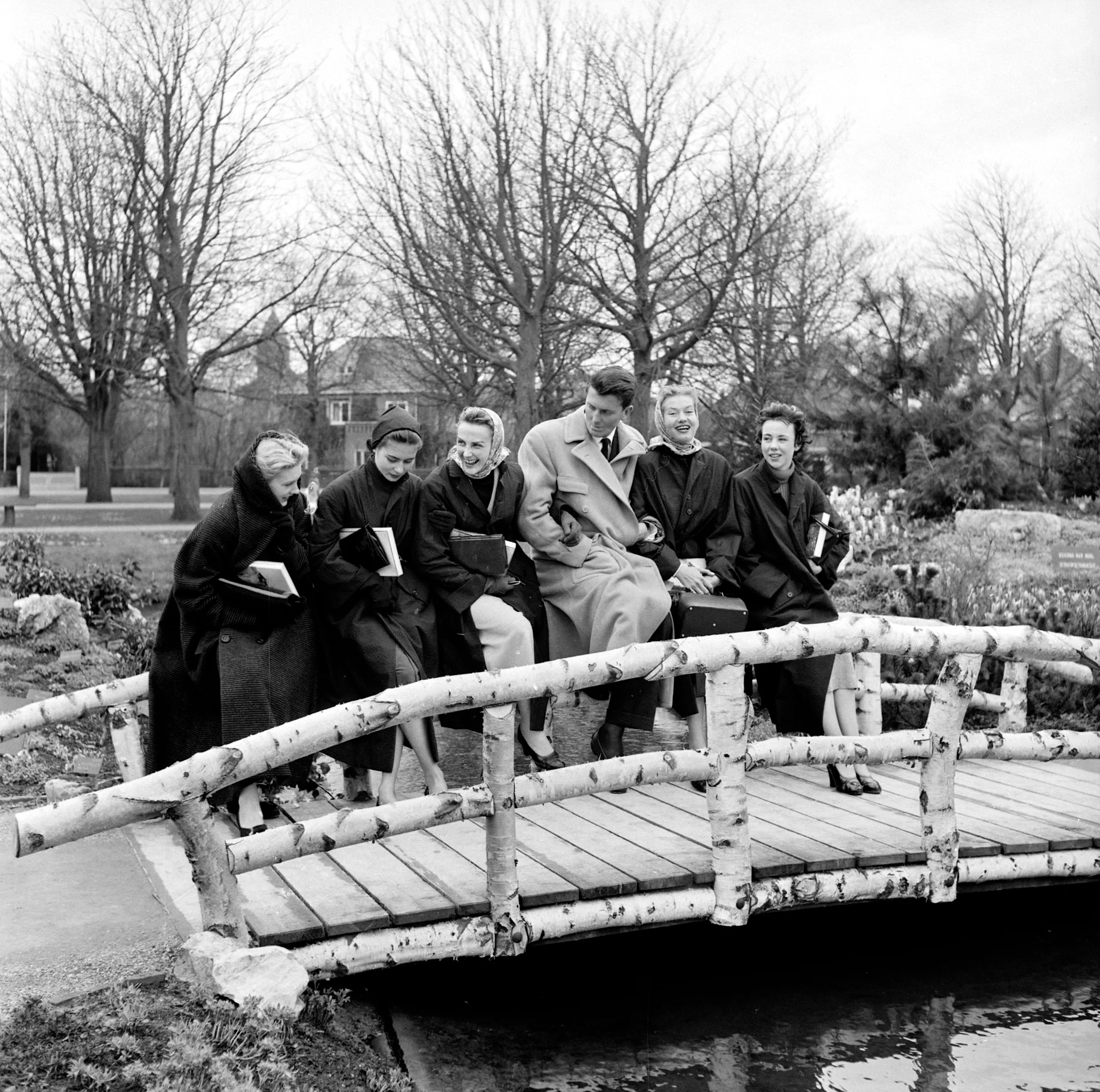
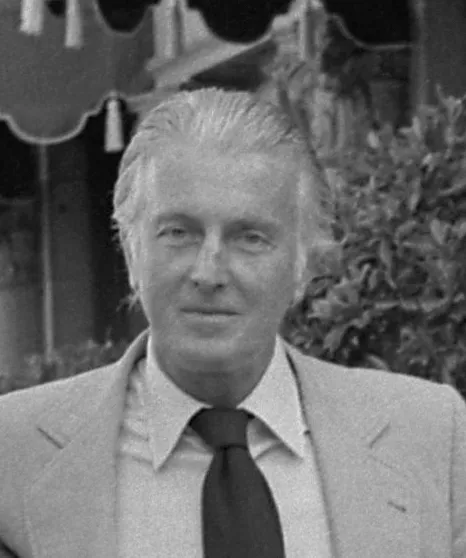
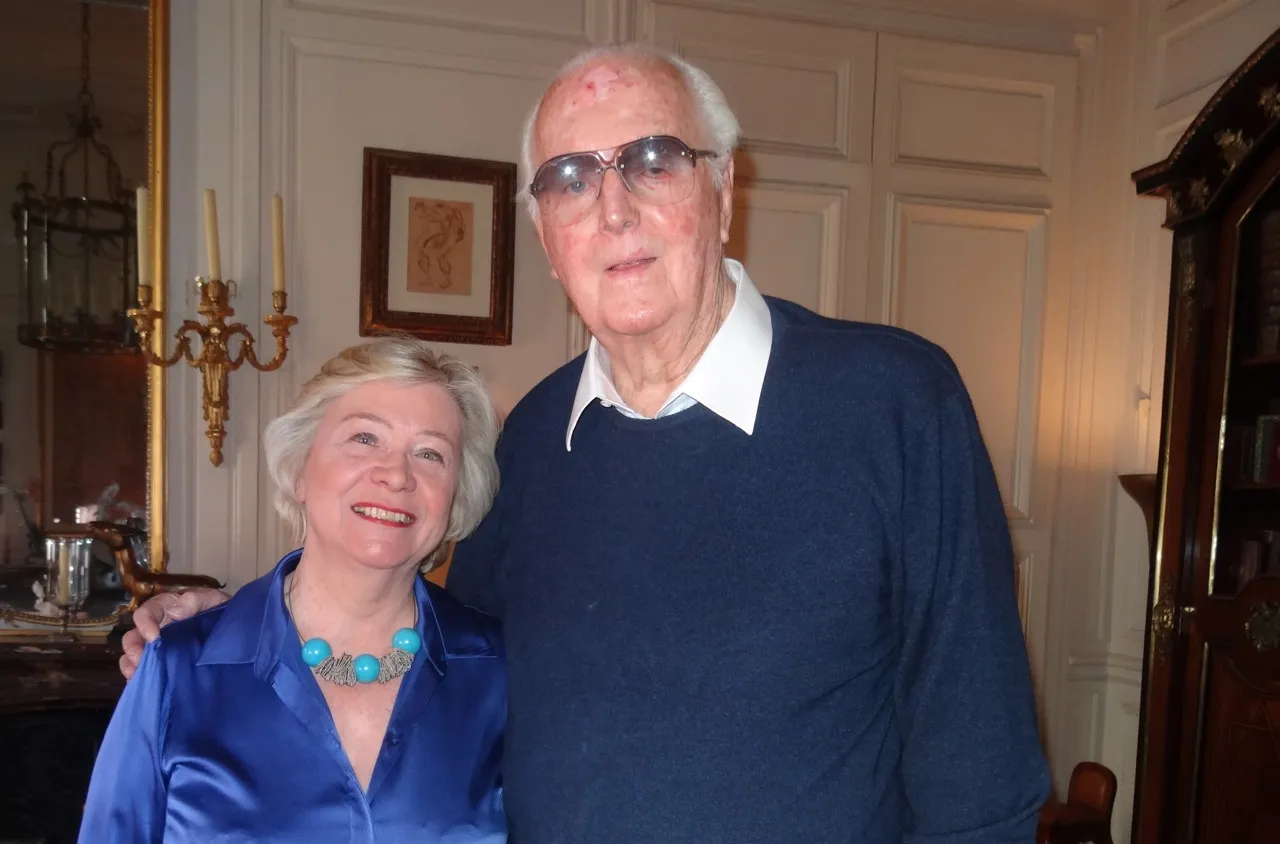
Founded in February 1952 in Paris by Hubert de Givenchy (1927–2018), an aristocrat-turned-couturier who had trained under Jacques Fath, Robert Piguet, Lucien Lelong, and Elsa Schiaparelli before opening his own house at 8 rue Alfred de Vigny at the age of twenty-four.
Creative director: Sarah Burton, appointed in September 2024 (verify against fresh sources before publishing). The house has been owned by LVMH Moët Hennessy Louis Vuitton since 1988.
Volatile fields — verify creative-director line and any post-2024 collection details against fresh sources before publishing.


Design DNA
A Parisian elegance grounded in Hubert de Givenchy's clean architectural line — the sack dress, the chemise, the three-quarter sleeve — extended by Audrey Hepburn into the popular imagination as the silhouette of postwar chic. Successive directors have pulled the house in sharply different directions: McQueen and Tisci introduced a darker, more transgressive register — gothic tailoring, religious iconography, streetwear hybrids — while Waight Keller returned it briefly to crisp ceremonial restraint. Under Burton the house is expected to push back toward couture-grade construction with a contemporary, directional edge.
Cultural impact & collaborations
Givenchy's most durable contribution is the Hepburn collaboration — the postwar argument that a film star and a couturier could dress one another into the cultural record together — and the little black dress that came out of it. Under Tisci the house helped pull luxury fashion into proximity with streetwear, hip-hop, and religious imagery in ways that reshaped the wider industry through the 2010s. Waight Keller's royal-wedding gown briefly returned the house to a register of public ceremony its founder would have recognised. The arrival of Sarah Burton in 2024 sets up a return to construction-led couture sensibility.
Beyond the timeline
A reason to exist beyond a timeline — the pieces that made Givenchy Givenchy.
- The Bettina blouse 1952
The white shirting blouse with ruffled broderie-anglaise sleeves from the debut collection, named for the model Bettina Graziani. Photographed, copied, and adapted across the decade — the piece that announced the house and its appetite for separates over the then-dominant New Look hourglass.
- The Audrey Hepburn wardrobe 1953–1979
A four-decade collaboration that produced the costumes (or personal wardrobe) for Sabrina, Funny Face, Love in the Afternoon, Charade, and How to Steal a Million, among others. Givenchy and Hepburn referred to one another as creative collaborators rather than designer and client; the partnership is among the most documented in twentieth-century fashion.
- The <em>Breakfast at Tiffany's</em> little black dress 1961
The floor-length black satin sheath worn by Hepburn as Holly Golightly in the film's opening sequence — sleeveless, with a low cut-away back and pearl rope. Repeatedly cited as the most recognisable LBD of the twentieth century; an alternate version sold at Christie's in 2006 for several hundred thousand pounds in aid of charity.
- <em>L'Interdit</em> 1957
The aldehyde-floral fragrance long described as the first perfume created for a specific muse — Hepburn — though historians have since complicated that origin story. Reissued and reformulated several times; a contemporary edition relaunched in 2018.
- The Antigona bag 2010
Tisci's geometric, trapezoidal top-handle introduced as a structured counterpoint to the slouchier handbag silhouettes then dominant. Carried in smooth and grained leathers, it became the house's defining bag of the 2010s.
- The Pandora bag 2011
A softer, slouching saddle-shaped shoulder bag launched alongside the Antigona; together the two anchored Givenchy's leather goods business through the Tisci era.
- Tisci-era menswear 2008–2017
The Rottweiler-print T-shirts, religious-iconography sweatshirts, kilted skirts on men, and high-top studded sneakers that drew a new audience to the house and helped legitimise the luxury-streetwear hybrid that defined the decade that followed.
- The Meghan Markle wedding gown 2018
Designed by Clare Waight Keller for the wedding of Meghan Markle to Prince Harry on 19 May 2018 — a bateau-neckline silk-cady gown with a five-metre veil embroidered with the flora of the Commonwealth nations. Watched by an estimated global audience in the hundreds of millions.
Main product lines
- Haute couture — Paris-presented, intermittent across recent directors
- Ready-to-wear — women's and men's
- Handbags & small leather goods — anchored by the Antigona and Pandora silhouettes
- Footwear — including the studded sneaker line popularised under Tisci
- Fragrance & beauty — Parfums Givenchy, including L'Interdit, Gentleman, and the Le Rouge lipstick line
- Accessories & eyewear
Market positioning
Ultra-luxury Parisian house. Givenchy occupies the upper tier of ready-to-wear and leather-goods pricing within the LVMH portfolio, with haute couture credibility maintained intermittently across recent directors. The house has historically traded on its founder legacy and its cinematic associations rather than on commercial scale alone.
Business scale
A mid-sized house within LVMH's Fashion & Leather Goods division; group reporting does not break out Givenchy's revenue line, so any specific figure circulating in the trade press is an estimate rather than a published number. Verify against fresh reporting before citing.