Maison
Hermès
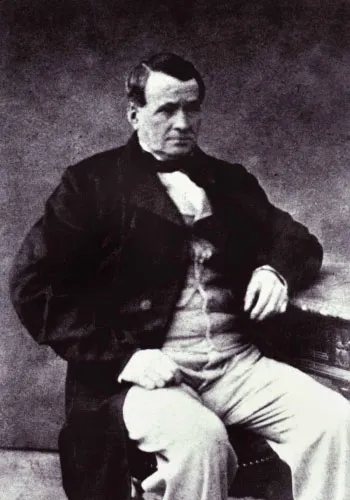
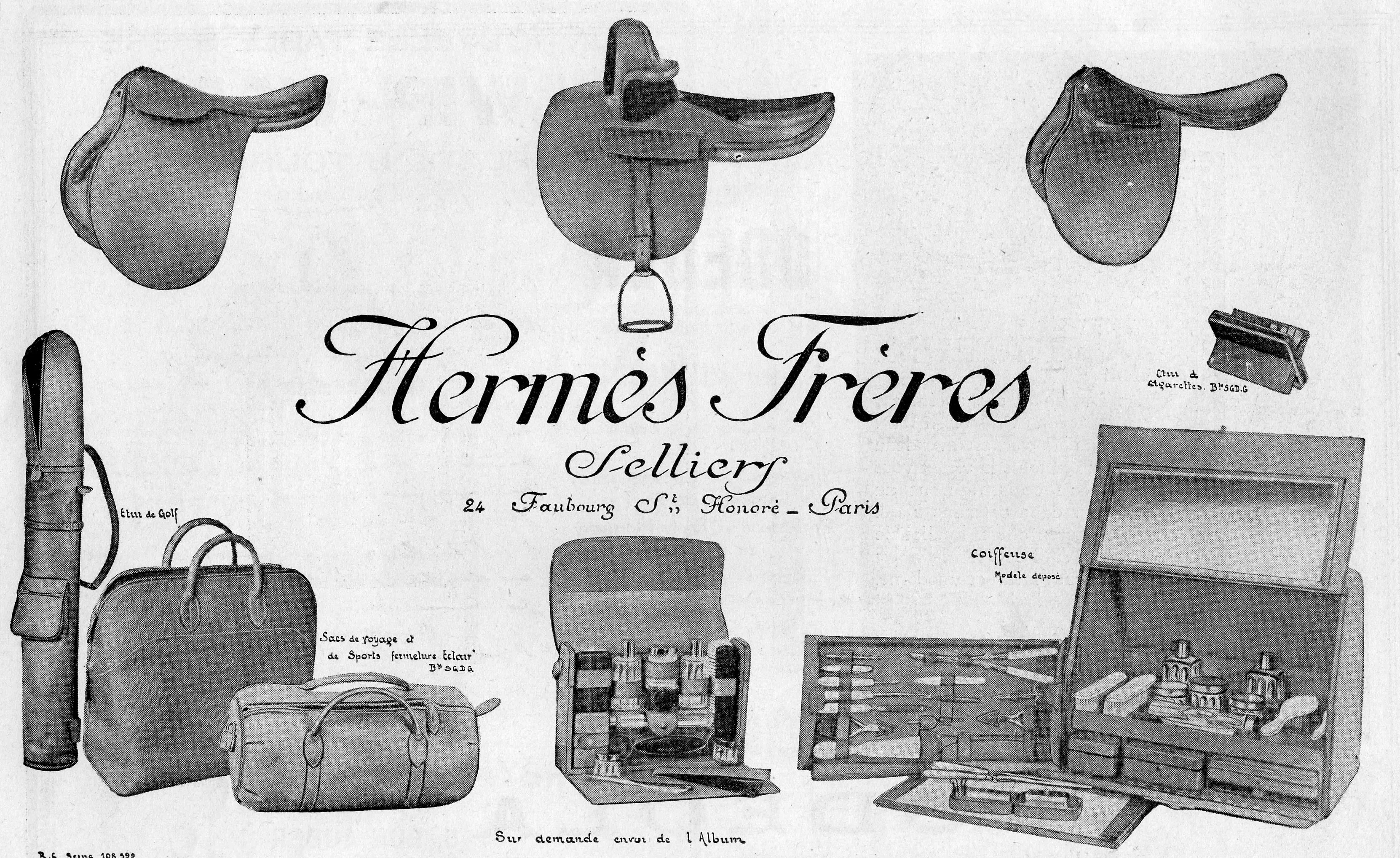
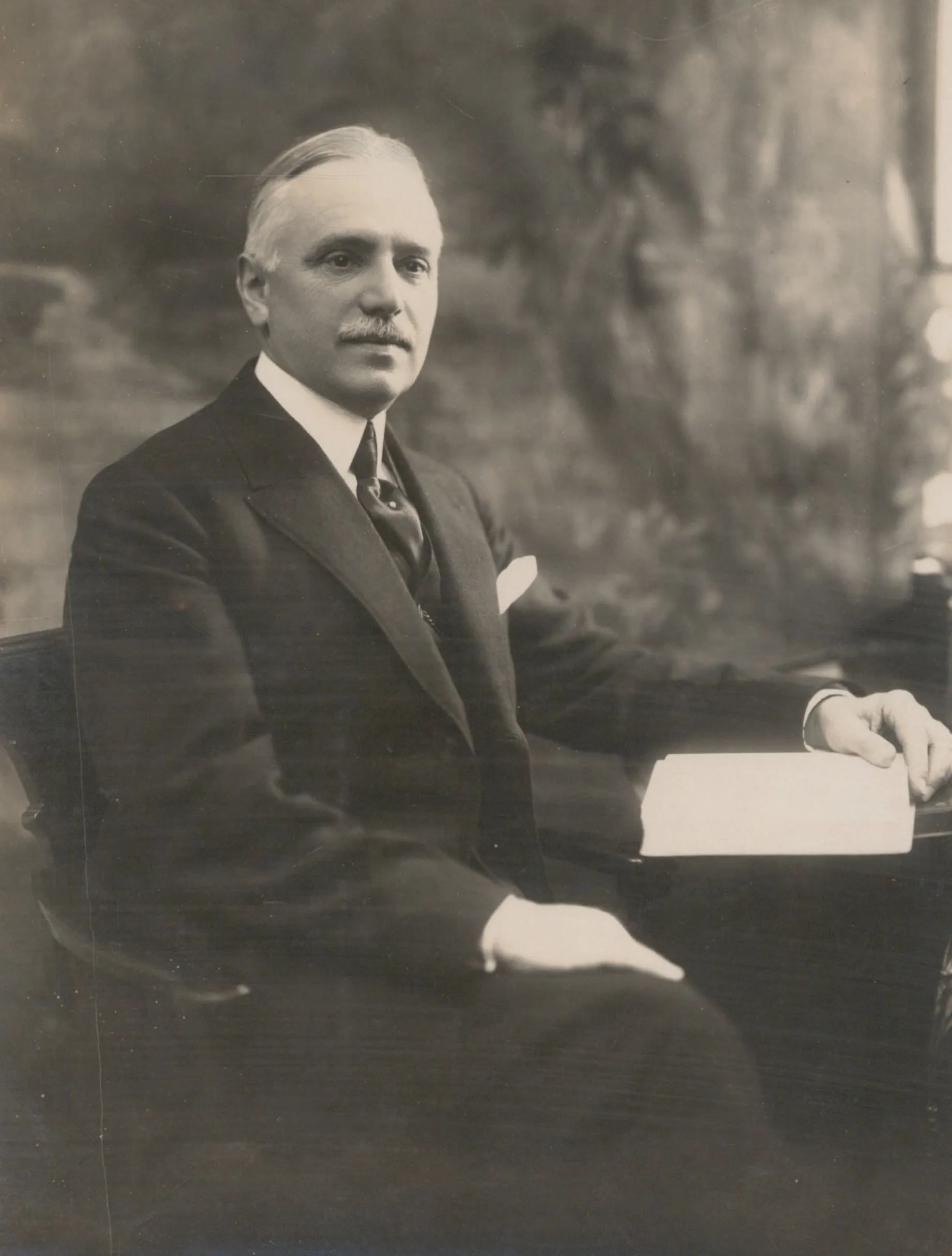
Founded in 1837 in Paris by Thierry Hermès (1801–1878) as a harness workshop in the Grands Boulevards quarter, outfitting the carriages of European nobility. The house migrated from the bridle to the saddle under his son Charles-Émile, and to the trunk, the bag, and the silk square under successive generations — a lineage that has remained, unusually for the sector, in family hands.
Artistic director of women's ready-to-wear: Nadège Vanhée, since 2014. Artistic director of men's ready-to-wear: Véronique Nichanian, since 1988 — one of the longest tenures in the industry. Executive chairman: Axel Dumas; the Hermès family retains majority control through the H51 holding company. Verify against fresh sources before publishing — leadership at this level moves slowly but does move.


Design DNA
Materials before motifs. Hermès thinks in leather grains, silk weights, and stitch tensions before it thinks in silhouettes — the point sellier saddle stitch done by hand, the box and togo calf, the heavy twill of the carré. Colour is bold and unembarrassed (the orange, the ribbon-and-box) but applied to objects designed to be inherited. The luxury here is durability staged as restraint.
Cultural impact & collaborations
Hermès is the durable answer to logo-driven luxury — a house whose status signals are mostly invisible to outsiders (the saddle stitch, the box weight, the workshop initial inside a flap) and whose cultural prestige rises in inverse proportion to its visibility. The Birkin's role in popular culture, from sitcom punchlines to Hollywood gifting, has made the bag an index of inaccessibility. Beyond the leather, the carré sustains an ongoing collaboration with illustrators and artists, and the in-house perfumery — under Ellena and his successors — has reframed what a fashion-house fragrance can be.
Beyond the timeline
A reason to exist beyond a timeline — the pieces that made Hermès Hermès.
- The Kelly bag 1956
Originally the Sac à dépêches of 1935, a trapezoidal saddle-stitched holdall with a single top handle. After Grace Kelly was photographed using one to shield her pregnancy from the press, the bag took her name with the family's permission — a rare instance of a luxury object renamed by the public and ratified by the maker.
- The Birkin 1984
The story is well-rehearsed: Jane Birkin, seated next to Jean-Louis Dumas on a Paris–London flight, complained that no bag held what a working mother carried. The result is a softer, double-handled cousin of the Kelly, sized to a working day. Long waiting lists, persistent secondary-market premiums, and a cultural shorthand for inaccessible luxury — the bag has arguably outgrown the house.
- The carré 1937
A 90 × 90 cm silk twill square, screen-printed in dozens of colours from designs that pass through years of engraving and colour-trial before release. Each season's catalogue draws on an archive of more than two thousand designs; the medium has attracted artists from Hugo Grygkar to contemporary illustrators. Knotted, framed, or worn as a top — the carré is a small textile essay, reissued.
- The saddle stitch
Point sellier — two needles, one waxed linen thread, pulled through a single awl-pricked hole in opposite directions — is the technique inherited from harness-making. Slower than machine stitching and self-locking under stress, it is the reason a Hermès bag can be sent back to the workshop decades later and emerge intact.
- Terre d'Hermès 2006
The men's fragrance composed by Jean-Claude Ellena around vetiver, flint, and bitter orange — a mineral, vertical composition that became the house's most commercial scent and anchored its reframing of perfumery as authorship rather than marketing.
- Hermès orange
Adopted by necessity in the 1940s — wartime cardboard supply forced the switch from the prewar cream box to a brighter pulp, and the colour stuck. It is now among the most recognisable brand colours in any sector, used for boxes, ribbon, advertising, and shopfront awnings, but never registered as a single-colour trademark.
- Cape Cod & H-Hour watches
La Montre Hermès, the watchmaking arm based in Bienne, produces mechanical watches whose case shapes — the rectangular H-Hour, the rounded-square Cape Cod by Henri d'Origny — read as Hermès leather goods translated into steel. The strap, predictably, is treated as the equal of the case.
Main product lines
- Leather goods & saddlery — bags, small leather goods, and the historic equestrian line
- Silk & textiles — the carré, ties, and printed scarves
- Ready-to-wear — women's and men's collections shown in Paris
- Fragrance & beauty — including Terre d'Hermès, Eau d'orange verte, and the Rouge Hermès lipstick line
- Watches, jewellery & home — La Montre Hermès, fine jewellery, tableware, and furniture
- Equestrian — saddles, bridles, and riding apparel made to commission
Market positioning
The apex of the listed luxury sector. Hermès deliberately constrains growth — leather-goods output is gated by trained artisans rather than by demand — and the resulting scarcity is the commercial engine. Pricing sits above LVMH's flagship maisons in the comparable categories.
Business scale
A publicly traded group (Euronext: RMS) with reported revenues of approximately €15.2 billion in 2024 and operating margins above 40% — among the highest in the listed luxury industry. The Hermès family, through the holding H51, retains majority control of the share capital; figures and shareholding structure should be re-verified against the latest published accounts before citing.