Maison
Prada
Founded in 1913 in Milan by brothers Mario Prada and Martino Prada, who opened Fratelli Prada as a leather-goods boutique in the Galleria Vittorio Emanuele II. The shop sold trunks, handbags, and travel accessories to a Milanese clientele and held an early royal warrant from the House of Savoy. Mario's granddaughter Miuccia Prada took over in 1978 and, with her future husband Patrizio Bertelli, rebuilt the family firm as a global ready-to-wear house through the 1980s and 1990s.
Co-creative directors of Prada: Miuccia Prada and Raf Simons, since 2020 — a formally shared authorship rather than a hand-over. Patrizio Bertelli chairs the Prada Group; the Prada and Bertelli families retain majority control of the Hong Kong–listed group, with their son Lorenzo Bertelli increasingly prominent as marketing director and heir apparent.


.jpg)


Design DNA
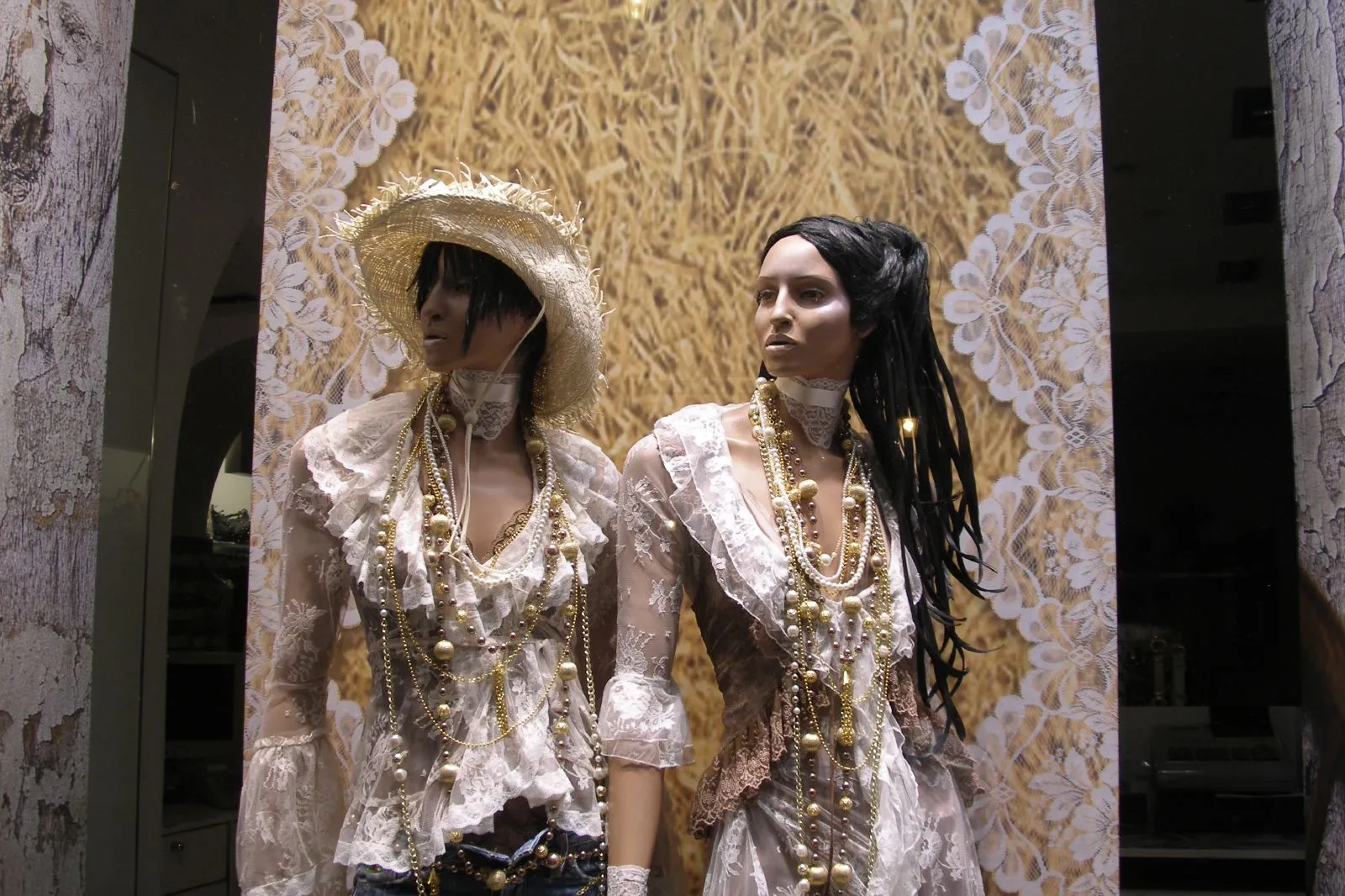
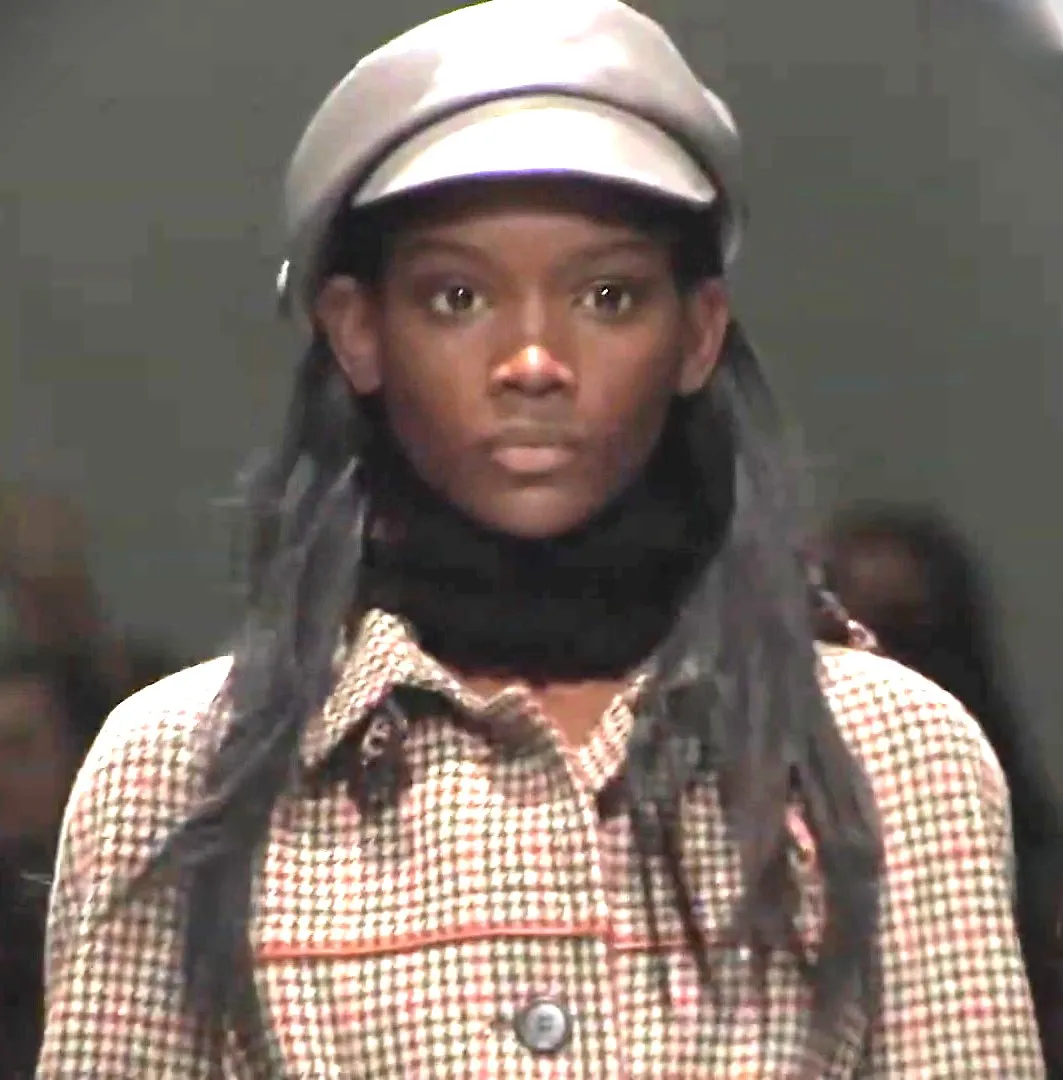
An intellectual, deliberately uneasy take on luxury — Miuccia Prada has built the house's aesthetic on what she has called ugly chic: clashing prints, muddied colors, plastics and industrial nylon promoted to the rank of luxury, and a mid-century Milanese austerity cut with subversive prettiness. The codes are a black nylon weave, the inverted-triangle metal plaque, Saffiano cross-hatched leather, mid-calf hemlines, and a recurring conversation between librarian propriety and 1970s suburban kitsch.
Cultural impact & collaborations
Miuccia Prada's ugly chic reframed what a luxury house could look like — prizing intellectual provocation over prettiness — and her conversation with art and architecture through Fondazione Prada set a template the rest of the industry has followed. The house dressed Anne Hathaway's character in The Devil Wears Prada (2006), adapted from Lauren Weisberger's novel, in a rare instance of a brand becoming the title of a mass-market film. The 2020 appointment of Raf Simons as co-creative director — a formal sharing of authorship at the top of a major house — was without obvious precedent in twentieth-century fashion.
Beyond the timeline
A reason to exist beyond a timeline — the pieces that made Prada Prada.
- The Pocone nylon backpack 1984
A black backpack cut from Pocone, an industrial parachute-grade nylon already used by the house for garment bags. The piece read as anti-status when it appeared — a luxury object made from a workwear material — and became one of the most copied bags of the late twentieth century.
- The 1988 ready-to-wear debut 1988
Miuccia Prada's first women's runway collection in Milan: narrow skirts, plain shoes, restrained palette — a corrective to the maximalism of mid-1980s Milanese fashion and the foundation of what would later be called quiet luxury.
- The Spring/Summer 1996 "ugly" collection 1996
Mustards, browns, and acid greens in geometric prints and polyester-feeling fabrics. Widely received as deliberately unflattering at the time, the collection became the locus of ugly chic and is regularly cited among the most influential ready-to-wear shows of the decade.
- Miu Miu 1993
Miuccia's sister label — younger, more eccentric, and willing to push proportions and references that would feel discordant under the parent name. By the 2020s Miu Miu had become the group's fastest-growing brand and a critical darling on the Paris runway calendar.
- The Saffiano leather goods
A cross-hatched, wax-finished calfskin developed by Mario Prada in the early twentieth century and trademarked by the house — durable, scratch-resistant, and instantly recognisable as Prada at the touch.
- The Rem Koolhaas Epicenters 2001–2003
The Prada flagships in New York (Broadway), Los Angeles, and Tokyo (Aoyama) — designed by Rem Koolhaas / OMA and Herzog & de Meuron in Tokyo — that recast the luxury store as cultural infrastructure rather than retail furniture.
- The Monolith shoe 2019–
A heavy, brushed-leather lace-up on a deep lugged rubber sole — a literal-minded take on the sensible school shoe, and one of the defining luxury silhouettes of the early 2020s.
- The triangle plaque
The inverted enameled-metal triangle stamped Prada Milano, applied to bags, footwear, and outerwear. Originally a discreet identifier on the nylon line, it has become — alongside the logo itself — the most legible piece of brand iconography in the house's vocabulary.
Main product lines
- Prada — women's and men's ready-to-wear and footwear
- Miu Miu — Miuccia Prada's sister label, launched 1993
- Handbags & small leather goods — including the Pocone-nylon and Saffiano-leather lines
- Footwear — most visibly the brushed-leather and rubber-soled Monolith family
- Eyewear, fragrance, and beauty — fragrance historically licensed; beauty relaunched in-house from the early 2020s
- Linea Rossa — the technical-sport line revived in 2018
Market positioning
Upper-luxury. Prada anchors a group that pairs the Prada main line — premium-priced ready-to-wear, leather goods, and footwear — with Miu Miu's sharper youth-cultural pull, and is consolidating further upward following the 2025 agreement to acquire Versace.
Business scale
Listed on the Hong Kong Stock Exchange since 2011, the Prada Group reports annual revenues on the order of five to six billion euros in recent years, with Miu Miu among the fastest-growing units in the wider luxury sector. Figures move; verify against the latest published accounts before citing.